Unlocking the Secrets: How to Design a Cohesive Home Like a Pro
Creating a home that feels unified and thoughtfully designed can be a challenge. Many homeowners, sellers, and home stagers struggle with making different rooms and styles work together without feeling disjointed. The key lies in mastering a few designer secrets that bring harmony to your space. This post reveals five practical tips to help you design a cohesive home that flows naturally and appeals to anyone who steps inside.

Start with a Consistent Color Palette
One of the easiest ways to create cohesion is by choosing a consistent color palette for your entire home. Designers often select three to five colors that complement each other and use them throughout different rooms. This doesn’t mean every room must look identical, but the colors should relate to one another.
For example, if you choose soft blues and warm neutrals, use these shades in various ways: paint walls, upholstery, rugs, or accessories. This approach ties spaces together visually and creates a calm, inviting atmosphere. Avoid using too many contrasting colors, which can break the flow and make rooms feel disconnected.
Use Repeating Patterns and Textures
Patterns and textures add depth and interest to your home, but they can also unify a space when used thoughtfully. Designers often repeat certain patterns or textures in different rooms to create a subtle connection.
For instance, a geometric pattern on throw pillows in the living room can reappear as a rug pattern in the dining area. Similarly, natural textures like wood, linen, or woven baskets can be echoed throughout the home to maintain a consistent tactile experience.
Repeating these elements helps the eye move smoothly from one room to another, reinforcing the feeling that the home is a single, well-planned environment.
Choose Furniture Styles That Complement Each Other
Furniture plays a major role in defining the style of your home. Mixing too many styles can make your space feel chaotic. Instead, select furniture pieces that complement each other in terms of design, scale, and finish.
For example, if your home leans toward modern design, stick with clean lines and simple shapes throughout. If you prefer a more traditional look, choose classic furniture with similar wood tones and detailing.
You don’t have to buy everything from one collection, but aim for harmony. Mixing a mid-century modern chair with a rustic farmhouse table can work if the colors and materials balance well. The goal is to avoid clashing styles that disrupt the overall flow.
Create Visual Anchors in Each Room
Visual anchors are focal points that ground a room and give it a clear identity. These can be large pieces like a statement sofa, an area rug, or a piece of artwork. Designers use anchors to create balance and guide the eye.
When each room has a strong anchor, it feels purposeful and complete. To maintain cohesion, choose anchors that relate to your color palette and style. For example, a bold navy sofa in the living room can be echoed by a navy rug or cushions in the adjacent space.
Visual anchors also help when staging a home for sale. They draw attention to the best features and make rooms memorable without overwhelming the senses.
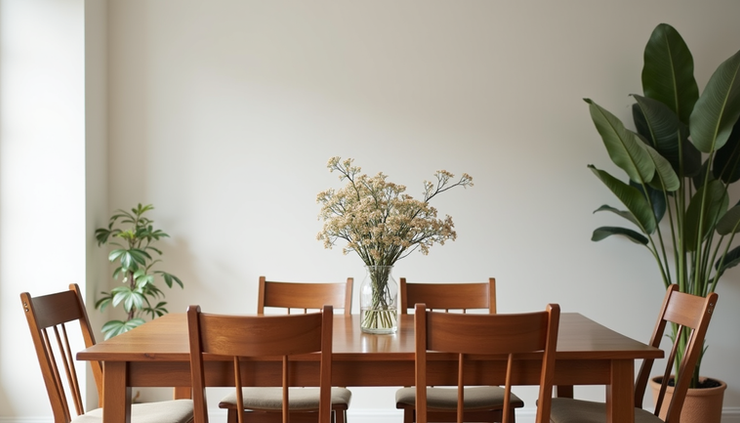
Pay Attention to Lighting and Accessories
Lighting and accessories are the finishing touches that pull a room together. Consistent lighting styles and accessory choices can reinforce your home’s cohesive look.
Use similar light fixtures or finishes throughout the home, such as brushed nickel or matte black. This creates a subtle thread that connects rooms. Layer your lighting with a mix of overhead, task, and accent lights to add warmth and dimension.
Accessories like vases, books, and artwork should also follow your color and style themes. Avoid cluttering surfaces with too many unrelated items. Instead, curate a few meaningful pieces that enhance the design story of your home.


Comments